Vascular laser treatments at Canberra Veins and Laser Medicine

What type of Skin Laser Treatments does CVLM provide?

Canberra Vein and Laser Medicine provides skin laser treatments for various skin lesions. The procedures we perform are founded on some basic principles:

  1. Treatments and procedures are guided by current medical guidelines and peer reviewed evidence
  2. If the treatment is not available here, you will be referred elsewhere

We are only going to treat what concerns you as the patient and will not coerce you or upsell any other product or treatment other than what you are concerned about.

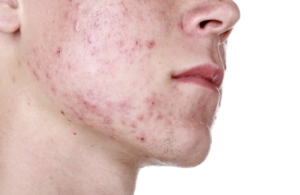
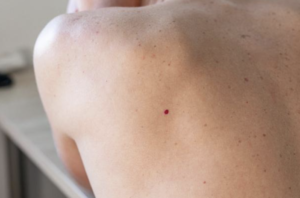
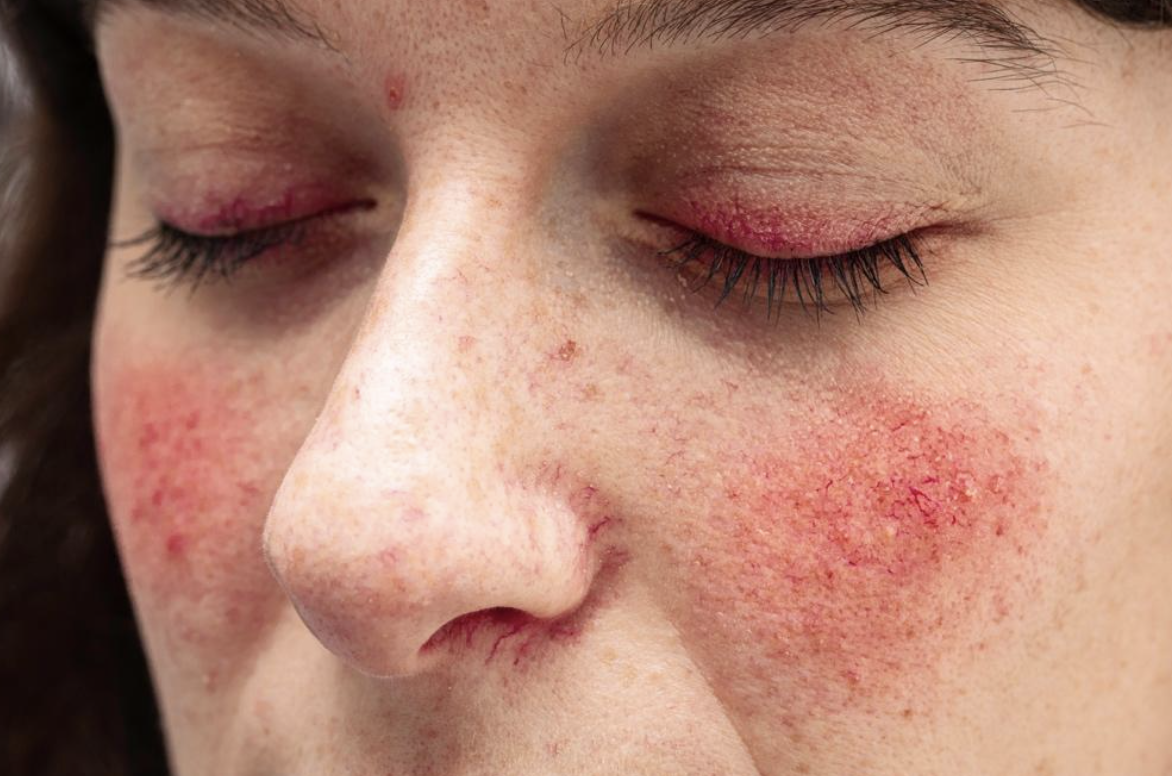
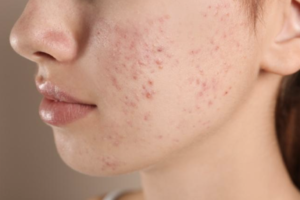
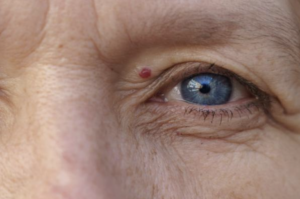
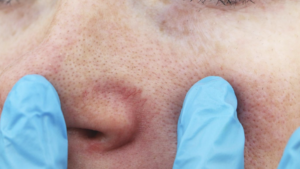
The information below represents a visualisation of what can be treated or improved with our current crop of laser devices.

Rosacea


Acne


Angioma (blood spots)


Nasal Telangiectasias


So how does one access treatment?

They will need a medical consult which typically lasts 30 minutes. This consultation involves a thorough clinical assessment of the patient.

If one decides to go ahead with the treatment, they can only book in for a treatment 1 week after they have had the initial consult. This is consistent with the current AHPRA guidelines. Patients need a cool off period to think about all aspects of the treatment before they proceed.

Once one is fully decided, they can book an appointment for the planned treatment by calling 02 6081 0033 and speak to Samantha to secure the appointment.
Ablative Laser Treatments at Canberra Veins and Laser Medicine

What type of Skin Laser Treatments does CVLM provide?

Canberra Vein and Laser Medicine provides skin laser treatments for various skin lesions. The procedures we perform are founded on some basic principles:

  1. Treatments and procedures are guided by current medical guidelines and peer reviewed evidence.
  2. If the treatment is not available here, you will be referred elsewhere

What are Ablative Laser Treatments?

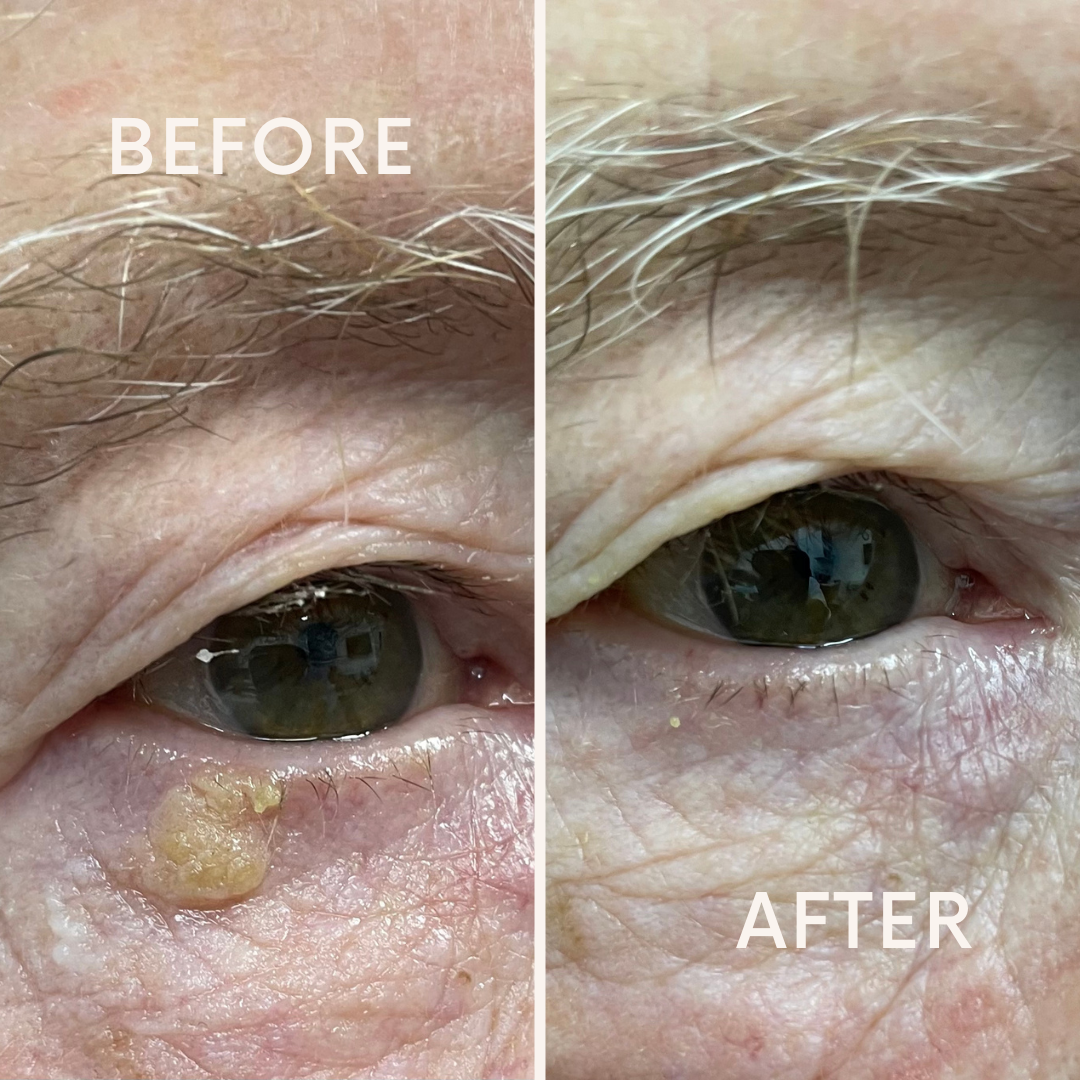
The use of a Class IV laser to vaporize a lesion with minimal to no scarring.

Ablative Laser Treatments for:

Benign Moles

These are relatively common and are benign in most instances. An assessment of the lesion with a dermatoscope (hand held microscope) will be carried out to make sure that the lesion is not a skin cancer. Then an ablative laser is utilised to eliminate the lesion under local anaesthetic. This is usually a one off treatment with little to no residual scarring.

Seborrheic Keratoses

These are very common benign lesions that are assessed with a dermatoscope prior to ablation with laser under local anaesthetic.

Again, like with most ablative treatments, this is a one off treatment with limited or no scarring.

Solar Keratoses

The process for solar keratoses is quite similar to seborrheic keratoses. Approximately 10% of these lesions have the potential to progress to a precancerous lesion so its worth taking them seriously.

Varicose Vein Treatment: Post Treatment Instructions

A short guide on what you should do after treatment:

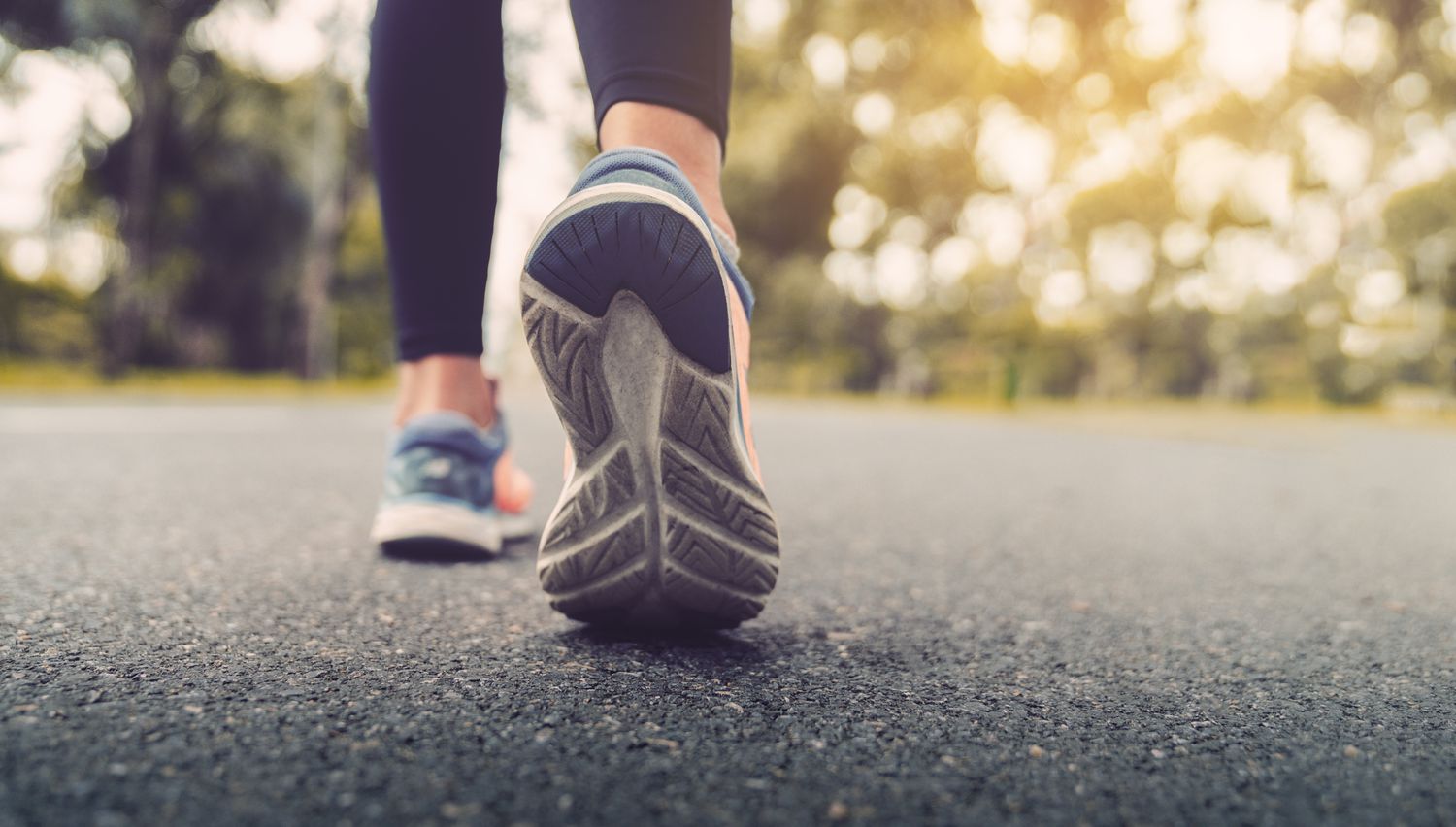
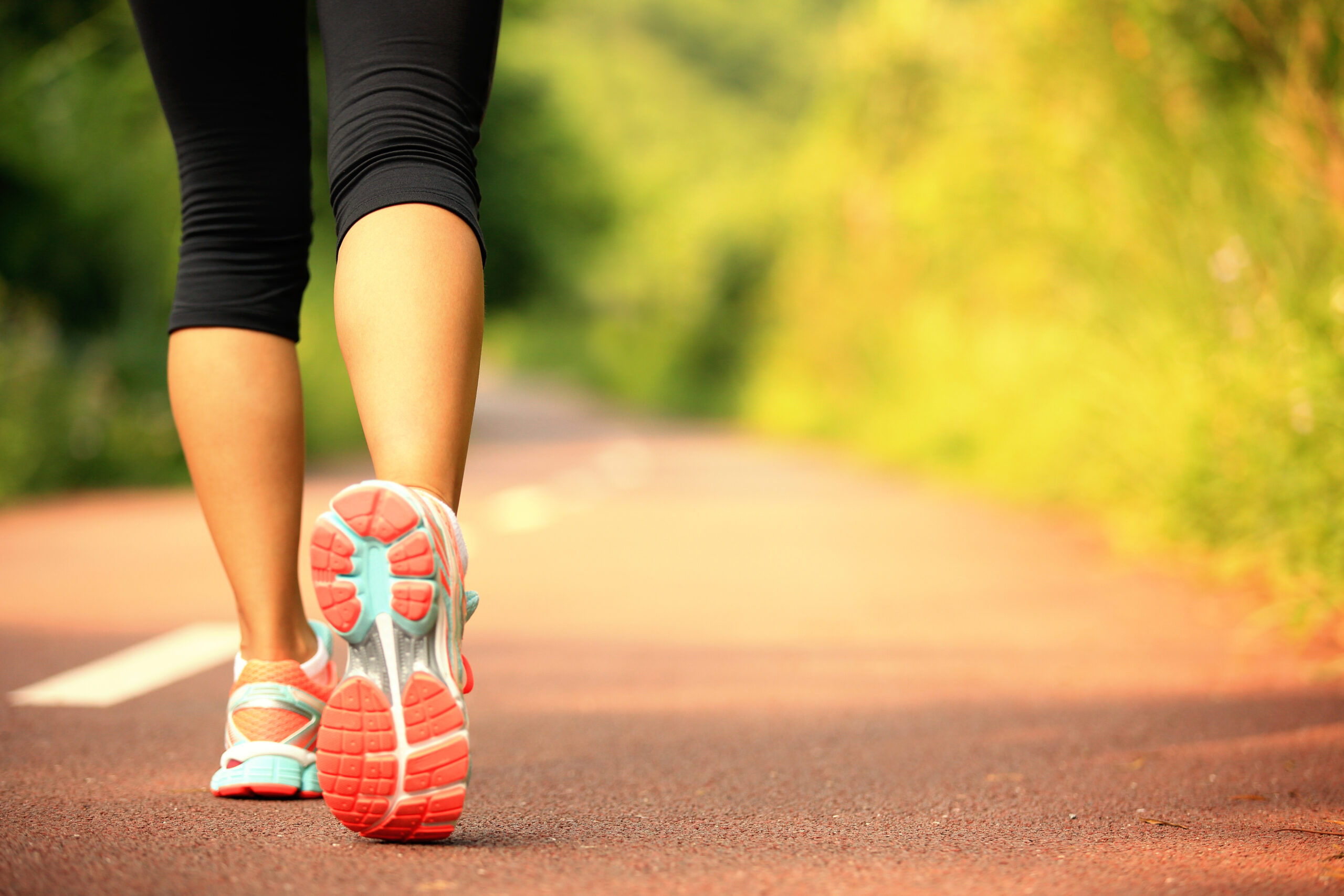
    ✓ You are required to walk at normal pace for 30 minutes immediately after the procedure.
    ✓ For the next 2 weeks after the procedure, walk for 30 minutes twice a day.
    – Avoid power walking or walking with weights
    – Walking uses the calf muscles, reduces pressure in treated veins and can ease aching
    – The combination of compression and walking minimizes the risk of deep vein thrombosis
    – Do not confine yourself to bed
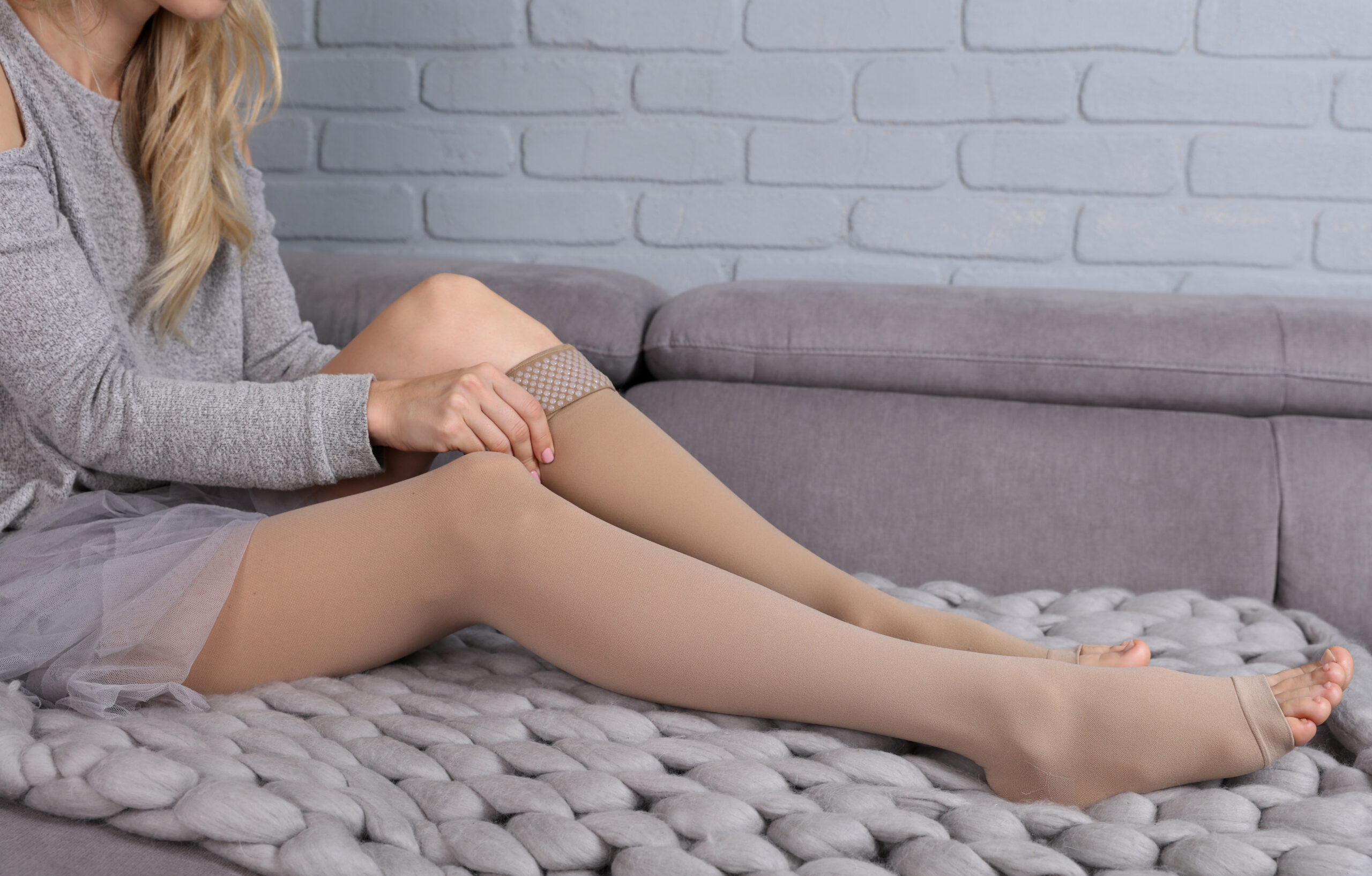
    ✓ Wear compression stockings for 2 weeks after treatment as directed on your stocking instruction form given to you after each treatment.


A short guide on what you shouldn’t do after treatment:

    ✕ After Sclerotherapy treatment, you may experience some pain and heaviness in the legs in the first few days and this could become more noticeable at night. Please tax a Non steroidal anti-inflammatory medication like Nurofen or Ibuprofen provided you don’t have any contraindications to NSAIDS. Some contraindications to NSAIDS may include previous allergic response to NSAIDS, Stomach ulcers, heart disease, hypertension, concurrent use of other medications like frusemide.
    ✕ After Radiofrequency Ablation or Endovenous Laser Treatment, you may experience some discomfort in the inner thigh around day 5 after treatment. This may be due to the normal healing process. If you experience discomfort, please take a Non steroidal anti-inflammatory medication like Nurofen or Ibuprofen provided you don’t have any contraindications to NSAIDS. Some contraindications to NSAIDS may include previous allergic response to NSAIDS, Stomach ulcers, heart disease, hypertension, concurrent use of other medications like frusemide.
    ✕ Avoid any long-distance travel (travel more than 4 hours sitting straight) in the 2 weeks preceding the planned EVLT/RFA treatment or 2 weeks after RFA/EVLT treatment.
    ✕ Remove the stockings if they cause any discomfort in your legs when sleeping. Contact the clinic to speak to the nurse if this occurs.
    ✕ If you develop any concerning symptoms like soreness, swelling of the calf, shortness of breath or chest pain contact the Emergency department immediately
    ✕ Avoid strenuous activities for 2 weeks after treatment (e.g. running, high impact aerobics, heavy lifting, Crossfit, F45, pilates and yoga. Continue your normal work or home duties if they are not strenuous.


Varicose Vein Treatment: Pre Treatment Instructions

A short guide on what you should do before treatment:

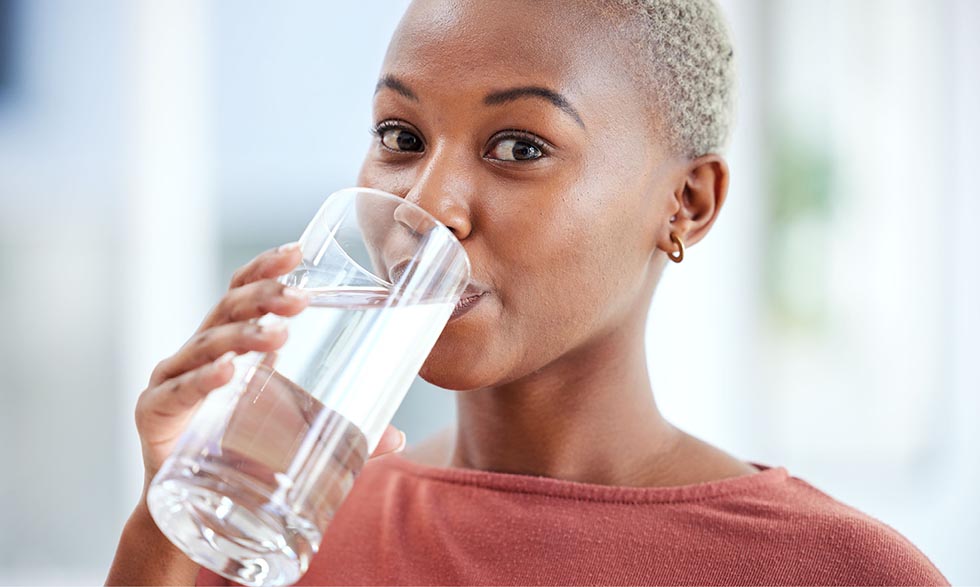
    ✓ Be well hydrated on the day of treatment – drink plenty of water prior to treatment.
    ✓ A short walk before your appointment is advised and bring your walking shoes for your post treatment walk.
    ✓ We offer patients the option of getting a script for a topical anaesthetic cream called BLT. This can greatly minimize the discomfort from the small needle injections that you will receive during the treatment.
    ✓ Should you wish to get a script, contact the clinic to arrange an appointment with Dr Lapenga.


A short guide on what you shouldn’t do before treatment:

    ✕ HRT & Pill – it is recommended that these are stopped one month prior and restarted one month after all treatments are complete. Please don’t hesitate to contact the clinic if you require any further clarification on this.
    ✕ Do not use self tanning products, solariums or have a spray tan at least 4 weeks prior to treatment.


What Causes Varicose Veins?

Veins function to transport blood back to the heart. In the legs, blood is transported back to the heart via a set of deep veins and superficial veins.

The calf muscle acts like a pump in both legs. Each time it contracts, it pushes a small amount of venous blood up the leg veins that travel to the heart.

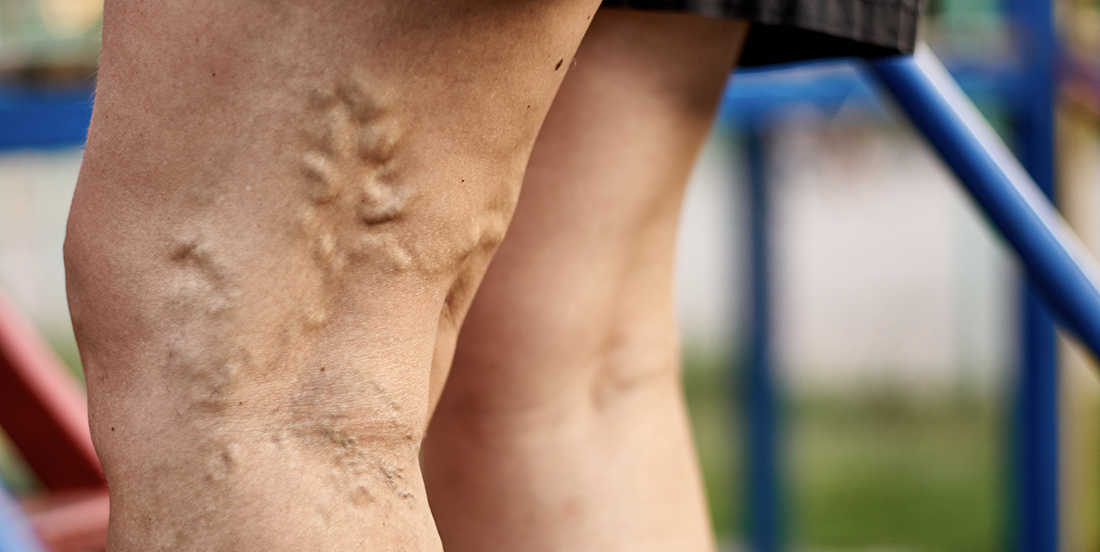
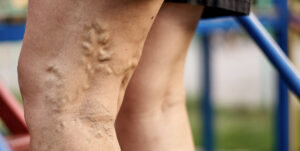
When patients have varicose veins, the usual mechanism by which blood travels up the veins has been disrupted. This means that as the calf muscle pumps blood up through the thigh, some blood trickles back down into the vein. Over time, the pressure in the veins in the legs start to increase. This causes the veins to become more tortuous and look very bulgy (the so-called “worms” look).


What happens when you attend the clinic?

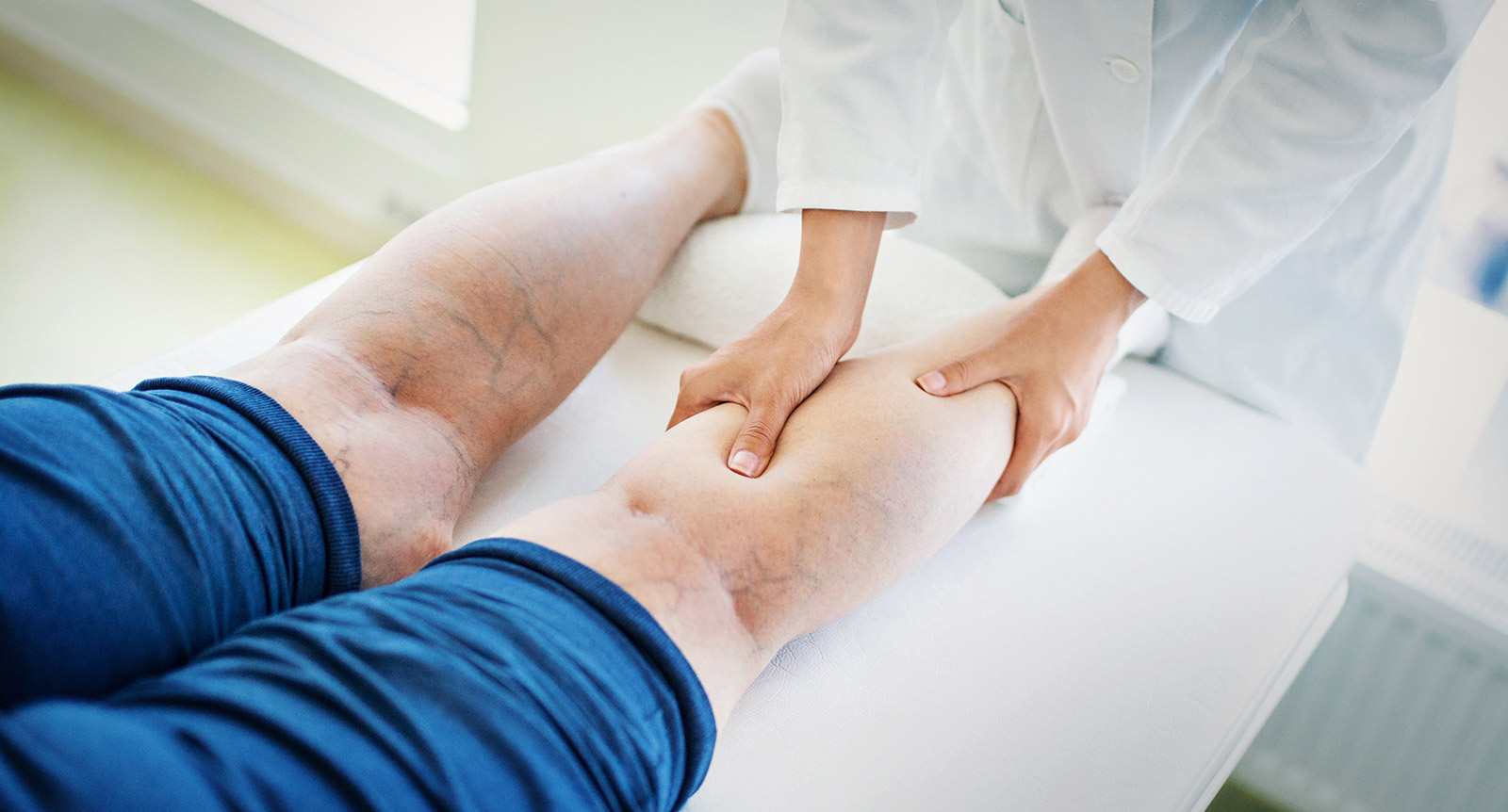
The doctor will take a detailed history from you to better understand your medical history. The doctor will also perform an ultrasound scan of both your legs to
get a picture of what may be wrong with your veins.
 

What happens after you have had the scan?

Depending on the outcome of the ultrasound, the doctor will be able to advise you on what type of sclerotherapy treatment is most suitable for your veins.
 

What is Sclerotherapy?

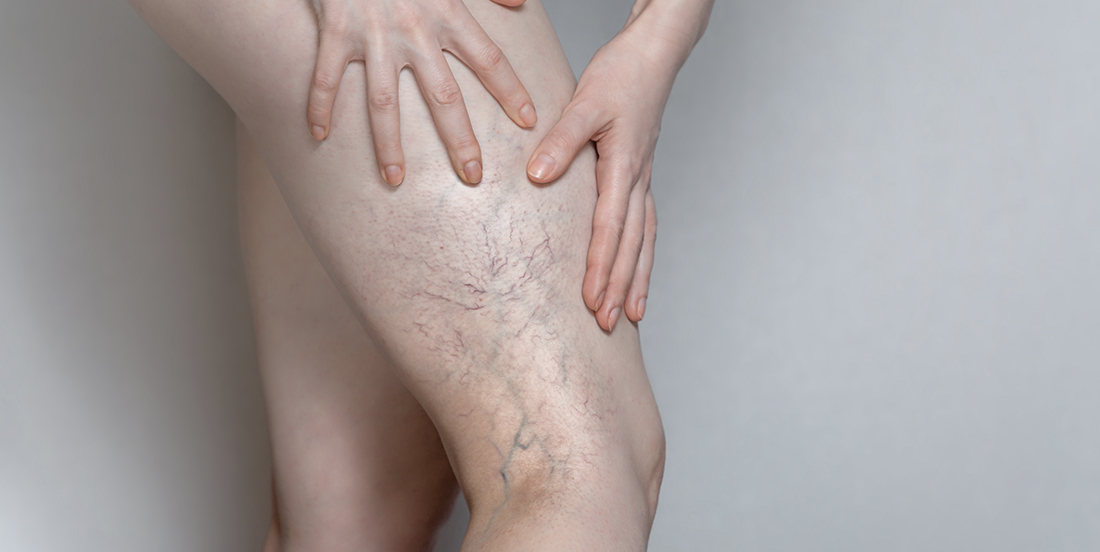
Sclerotherapy is a treatment where the doctor directly injects a sclerosant into your small spider veins with the intention of getting rid of them. Sclerosants are substances that are designed to irritate the wall of the veins and cause them to close up and eventually disappear

What is Chronic Venous Disease?

Chronic venous disease (CVD) is a term that describes the visual abnormalities of veins in the lower legs and the abnormal functioning of veins in the lower limbs. The visual abnormalities are what individuals may describe as varicose veins or eczema whilst the abnormal functioning of the veins is what causes individuals to experience
symptoms like aching, heaviness in the legs, throbbing and restless legs especially towards the end of the day.

Chronic venous disease is quite common in the community. Estimates suggest that 60% of the population could have some form of CVD.